Brisbane's Unique Pizza Flavors You Need to Try
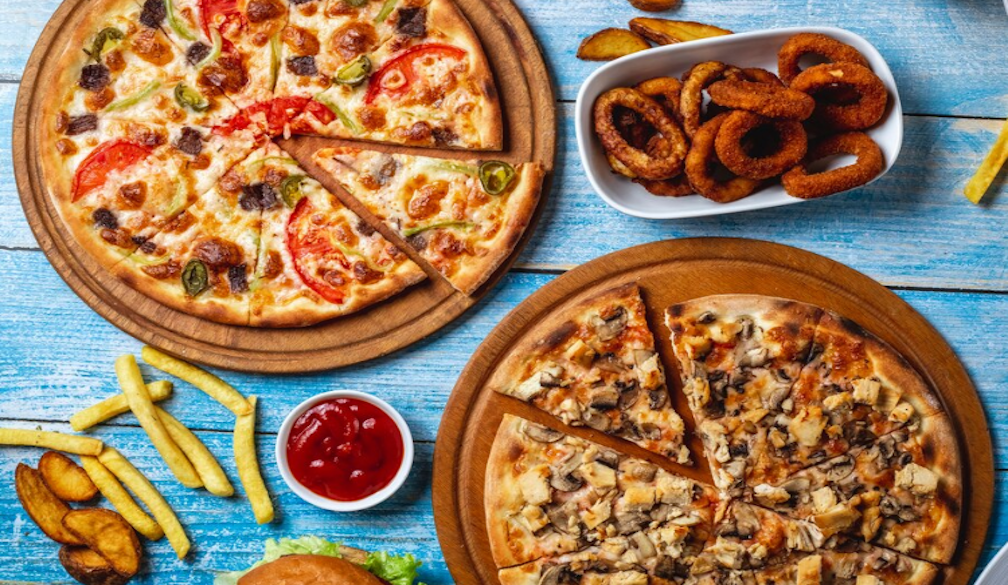
Brisbane's vibrant pizza scene is known for taking foodies on an unexpected adventure of flavours. Forget the usual pepperoni and margherita that you can find at every nook and corner of the city. This area hosts some of the best pizzerias that make unique, flavoured, truly special pizzas.
These out-of-the-box flavoured pizzas are the perfect blend of local ingredients with international flairs that you won’t find anywhere else. Whether you like sweet and spicy or are in the mood for some daring, get ready to explore Brisbane's unique pizza flavours.
Top Unique Pizza Flavors to Try in Brisbane
Brisbane’s pizzerias are known for pushing the boundaries regarding flavour. From gourmet ingredients to creative vegan options, these unique combinations offer a fresh twist on the traditional pizza experience.
#1 Moroccan Medley (Vegan)
This vegan creation starts with a light olive oil base, giving it a smooth foundation. Topped with creamy vegan cheese and savoury vegan bacon, it gets even better with Moroccan-spiced potatoes that bring a warm, aromatic flavour.
Finished off with a touch of rosemary and a drizzle of basil pesto, this pizza offers a unique, herb-infused, hearty, fresh twist. The mastermind behind this incredible creation is Arrivederci Pizza in Brisbane, and people get in queues there daily to taste their famous 1 meter pizzas.
#2 Spicy Peri Peri Chicken
If you love a little heat, this pizza is for you. It begins with a traditional tomato base and melty cheese, but the real excitement comes from the peri-peri chicken, known for its bold and fiery flavour.
Capsicum and red onion add a crunchy, fresh element, while parsley balances the spice, making this pizza a go-to for those craving something spicy yet satisfying.
#3 Quattro Formaggi
A dream for cheese enthusiasts, this pizza is all about rich, creamy goodness. Starting with a tomato base, it's generously topped with four types of cheese:
- Parmesan for sharpness,
- Bocconcini for a milky smooth texture,
- Mozzarella for that classic stringy melt, and
- Blue vein for a punch of strong, earthy flavour.
A sprinkle of cracked pepper ties all the cheeses together, creating a complex and indulgent bite.
#4 La Tara (Vegan)
This vegan-friendly option is packed with bold flavours and fresh ingredients. It’s loaded with vegan cheese that melts perfectly over a medley of capers, sweet capsicum, and sun-dried tomatoes.
The addition of spinach gives it a nutritious twist, while a final touch of lemon zest and cracked pepper adds a bright, zesty kick, making every bite as refreshing as savoury.
#5 Pump King (Vegan)
This hearty and healthy pizza starts with a creamy hummus base, offering a rich and nutty flavour. The vegan cheese adds a smooth texture, while the roasted pumpkin brings sweetness.
Spinach and Spanish onion add a fresh, crisp layer, complemented by briny olives and a hint of garlic. Together, these ingredients make for a unique, flavorful vegan pizza experience.
#6 Pizza Con Salsicce
This is yet another mind-blowing creation of Arrivederci pizza. This rustic and flavourful pizza features a tomato base topped with gooey cheese and delicious Italian sausage.
It’s balanced with caramelised onions and briny olives, while garlic brings an extra punch of flavour. Simple yet full of taste, this pizza is a must-try for sausage lovers seeking something classic with a twist.
#7 Pizza Al Prosciutto
This is a gourmet Arrivederci pizza that combines rich and fresh ingredients. A tomato base is layered with creamy bocconcini cheese, followed by thin slices of savoury prosciutto.
Fresh herbs, peppery rocket leaves, and a sprinkling of parmesan elevate the toppings. A drizzle of basil pesto brings everything together, making this pizza a sophisticated yet satisfying option for those who enjoy classic Italian flavours.
#8 Chilli Garlic Prawns
Seafood lovers will be drawn to this pizza, which features a tomato base and a generous helping of cheese. The real star is the juicy and perfectly cooked prawns.
Garlic adds a deep, savoury layer, while chilli provides a subtle heat that builds with each bite. It’s a flavorful combination that balances the richness of seafood with the zing of spice.
#9 Quattro Stagioni (Four Seasons)
Can’t decide on just one flavour? This pizza lets you enjoy a little bit of everything. It combines four distinct sections:
- Capricciosa,
- Marinara,
- Chicken & Pineapple, and
- Pizza Con Salsicce
Each section brings its own unique flavor, offering a delicious variety on one pizza. Whether you’re in the mood for seafood, chicken, or classic sausage, this pizza gives you the best of all worlds.
#10 Marinated Beef
For meat lovers, this pizza is a rich, satisfying option. Starting with a tomato base, it’s loaded with cheese and tender, marinated beef that’s been slow-cooked for maximum flavour.
Roasted capsicum adds a sweet, smoky touch, while garlic improves the depth of flavour. Every bite is hearty and flavourful, making it a great choice for those craving something bold and filling.
Each of these pizzas offers something special, making Brisbane's unique pizza flavours a must-try for anyone looking for a memorable meal.
Wrapping Up
Brisbane’s unique pizza flavours are a must-try for anyone looking to experience something different. Whether you’re craving bold spices, gourmet toppings, or vegan options, a pizza here will surprise and delight your taste buds. Why not take your next pizza night to the next level? You won’t be disappointed!